
Indonesian Wellness

Wellbeing rooted in the archipelago

An editorial space exploring what it means to live well in Indonesia. We look at the food you already eat, the movement that fits real schedules, and the stress that comes with actually working for a living.

Nutrition Fitness Stress Management Jamu Culture Informational only
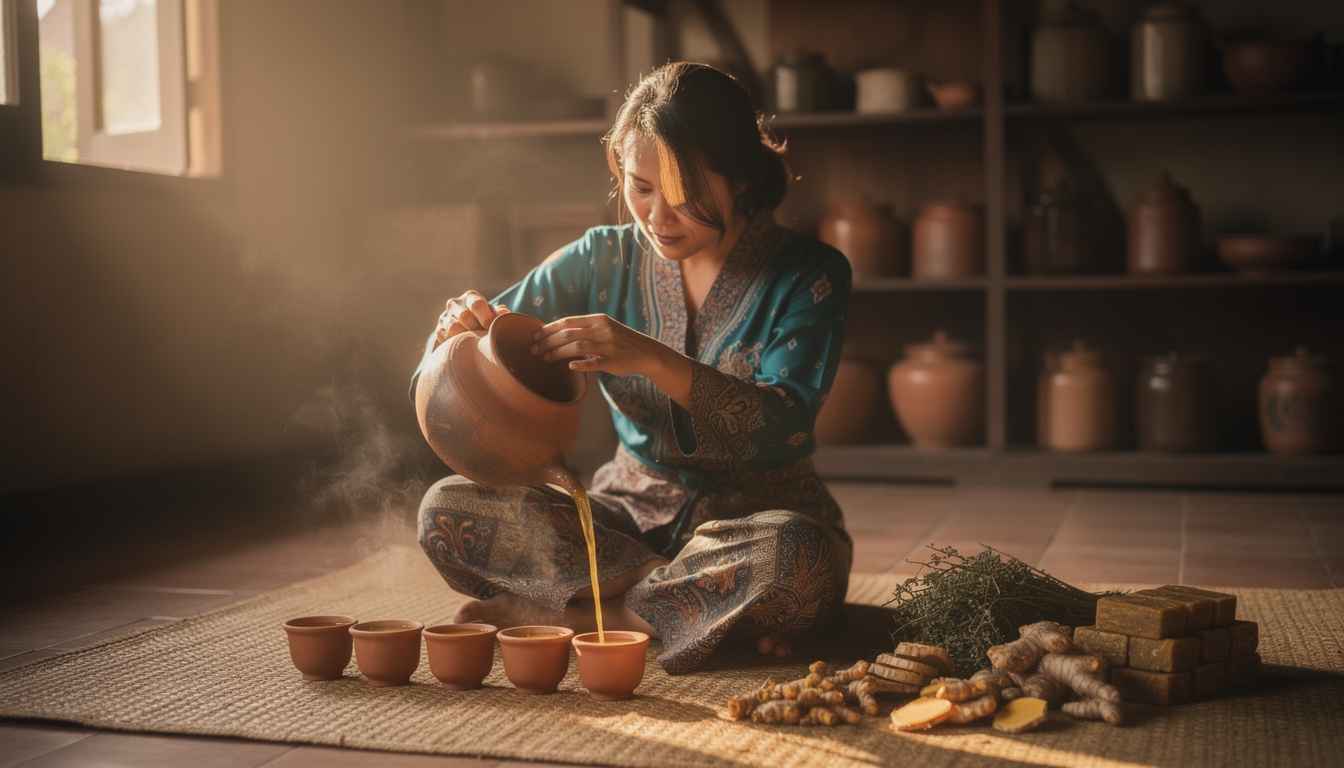
Traditional Indonesian Jamu herbal beverage preparation with turmeric and spices
Jamu Culture Column
From Central Java to East Kalimantan
Now reading
Kunyit
Turmeric in everyday Indonesian cooking
What we cover

Four pillars. One editorial lens.

Each column has its own contributor and its own focus. They share a single commitment: writing about Indonesian wellness as it actually exists, not as aspirational import.

Nutrition & Spice

Articles on turmeric, tamarind, pandan, and other everyday Indonesian ingredients. We examine composition, traditional use, and how these fit into the three-meal pattern most Indonesians actually follow.

Read the guide
Fitness for Real Life

Exercise guides written with Indonesian office workers in mind. Two hours on a motorbike per day, back pain from a desk chair, and no time after meetings. We start there, not at a gym floor.

Our approach
Stress & Boundaries

Why Indonesian professionals check their phones so often, what group culture does to individual rest, and simple boundary-setting techniques that do not require a flight to Bali or a silent retreat.

Learn more
Jamu Culture

A documentation column. How different regions across the archipelago prepare herbal beverages. What role these rituals play in community life. No health claims, just observation of a living tradition.

Explore Jamu
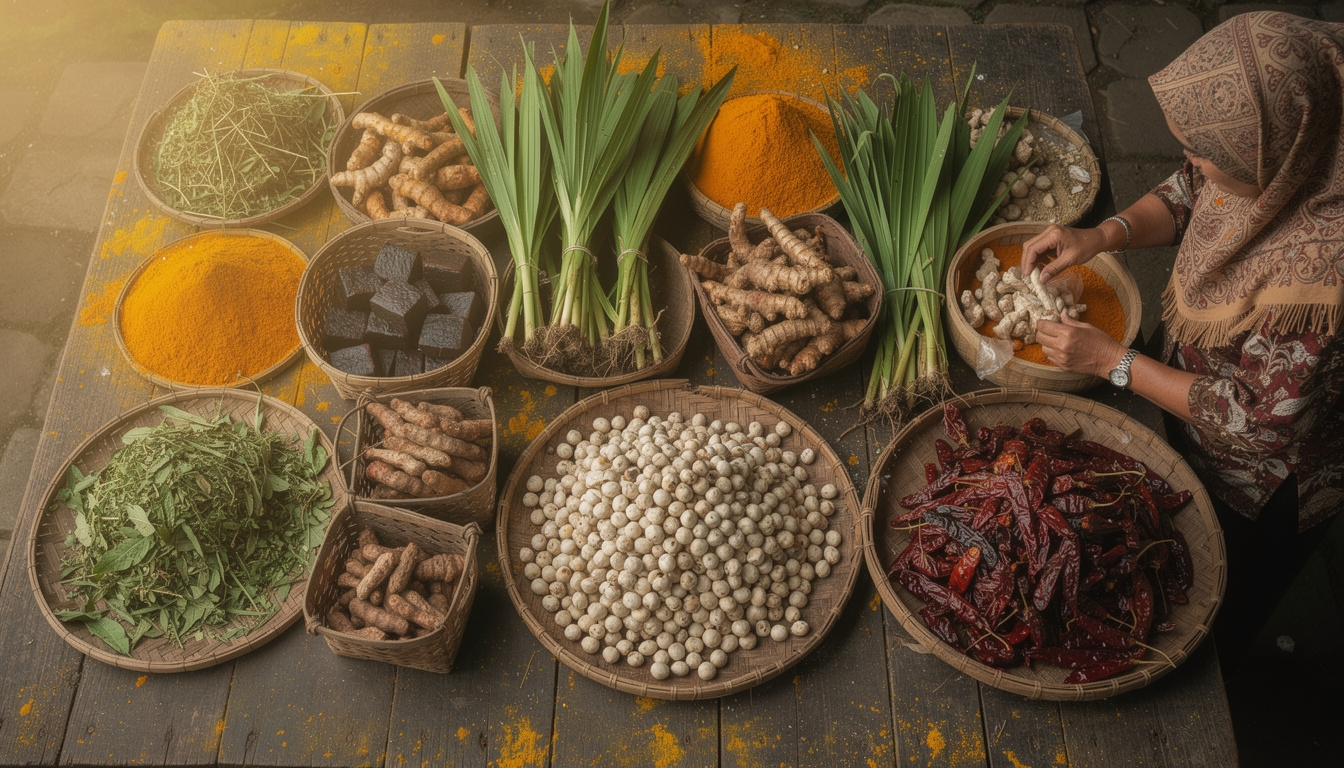
Colorful Indonesian spice market stalls with turmeric, galangal, and dried herbs laid out in traditional baskets

Pasar Beringharjo, Yogyakarta. The spice market as living pharmacy. Most of what you find here has a culinary use first.

01 / Nutrition

Three meals and the structure nobody talks about

The traditional Indonesian eating pattern is straightforward: a proper breakfast, a substantial midday meal, and a lighter dinner with small snacks in between. It is not a diet. It is just how food has worked in this culture for generations.

When intermittent fasting trends arrive from overseas, they often run against this structure. Skipping breakfast in a culture where nasi uduk at 7am is social ritual creates friction that the trend literature does not acknowledge. Our nutrition column looks at this gap without declaring one approach superior to the other.

02 / Fitness

Movement after motorbike commuting

Riding a motorbike for two hours in Jakarta or Makassar is not passive. It is physically demanding in ways that are different from walking or cycling. The sustained tension in shoulders and lower back, the concentration required in dense traffic, and the heat exposure all matter.

Exercise guides that start with "park further away" or "take the stairs" were not written for this context. We write for people who are genuinely tired by the time they get home, who have not exercised since university, and who would rather know exactly what to do in twenty minutes than scroll through a forty-five minute YouTube workout.

03 / Stress

Phone checking and professional culture

Indonesian professional culture has a specific relationship with availability. Group messaging apps, hierarchical communication norms, and the expectation that responses arrive quickly create a distinctive pattern of digital behavior.

Understanding why this happens is not the same as solving it. Our stress column tries to be honest about structural pressure while offering practical approaches that work within Indonesian professional contexts rather than pretending those contexts do not exist.

04 / Jamu

A tradition documented, not prescribed

Jamu means different things in different parts of the archipelago. In Central Java, the gendong seller carries it through neighborhoods in bottles wrapped in cloth. In East Kalimantan, the preparations reflect Dayak botanical knowledge that has no equivalent elsewhere.

We document this without making claims about what any of it does to the body. The cultural and community dimension of Jamu is worth understanding independently of any health narrative.

Editorial principles

How we approach this work

Four principles that shape every article published on this site. Not aspirational, just operational.

No medical claims

We do not diagnose, treat, or recommend. Every article includes a clear reminder to consult a healthcare provider before changing diet or exercise habits.

Rooted in context

Content is written for Indonesian adults navigating real schedules, real food environments, and real professional pressures. Not imported wellness frameworks applied without translation.

Editorial contributors

Articles are written by contributors with genuine interest in Indonesian wellness culture. No anonymous content, no AI-generated mass production, no content farms.

Nothing for sale

No products, no supplements, no affiliate links. This is a reading space. The only thing we offer is articles. That keeps the editorial position clean.

From the editorial desk

Recent articles

View all topics
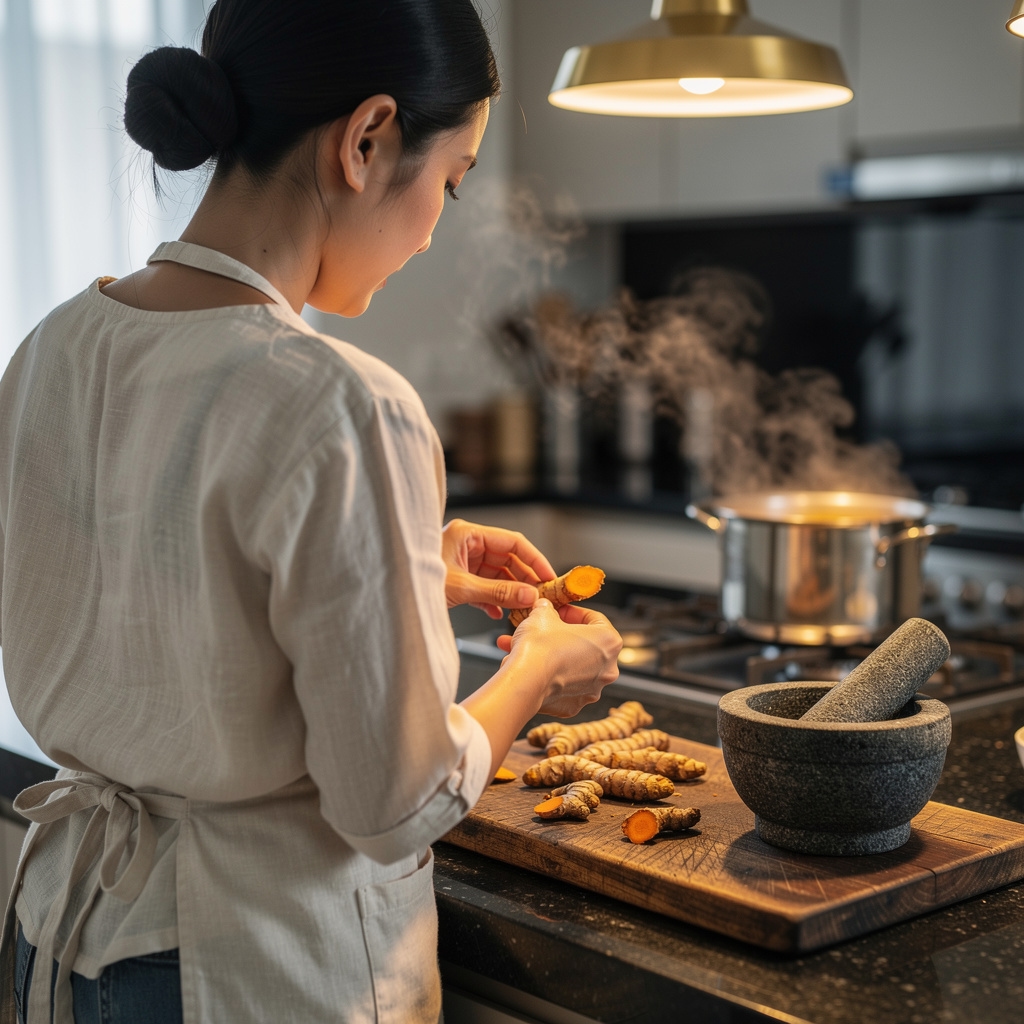
Fresh turmeric roots being prepared on a wooden board with mortar and pestle in a traditional Indonesian kitchen

What makes turmeric interesting from a composition standpoint: curcumin, volatile oils, and the cooking question

Turmeric is in almost every Indonesian savory dish. The color, the faint bitterness, the way it stains everything it touches. Most people know it as a cooking ingredient first. The compound that attracts scientific attention is curcumin, but what the research actually says is more nuanced than headlines suggest, and how you prepare turmeric affects what ends up in the food.

Indonesian professional in business casual attire doing a seated shoulder stretch at a modern office desk

Twenty minutes after work: a realistic starting point for people who have not exercised since university

Not a transformation story. A starting framework for people whose last regular exercise was a required PE class and who commute by motorbike in tropical heat.

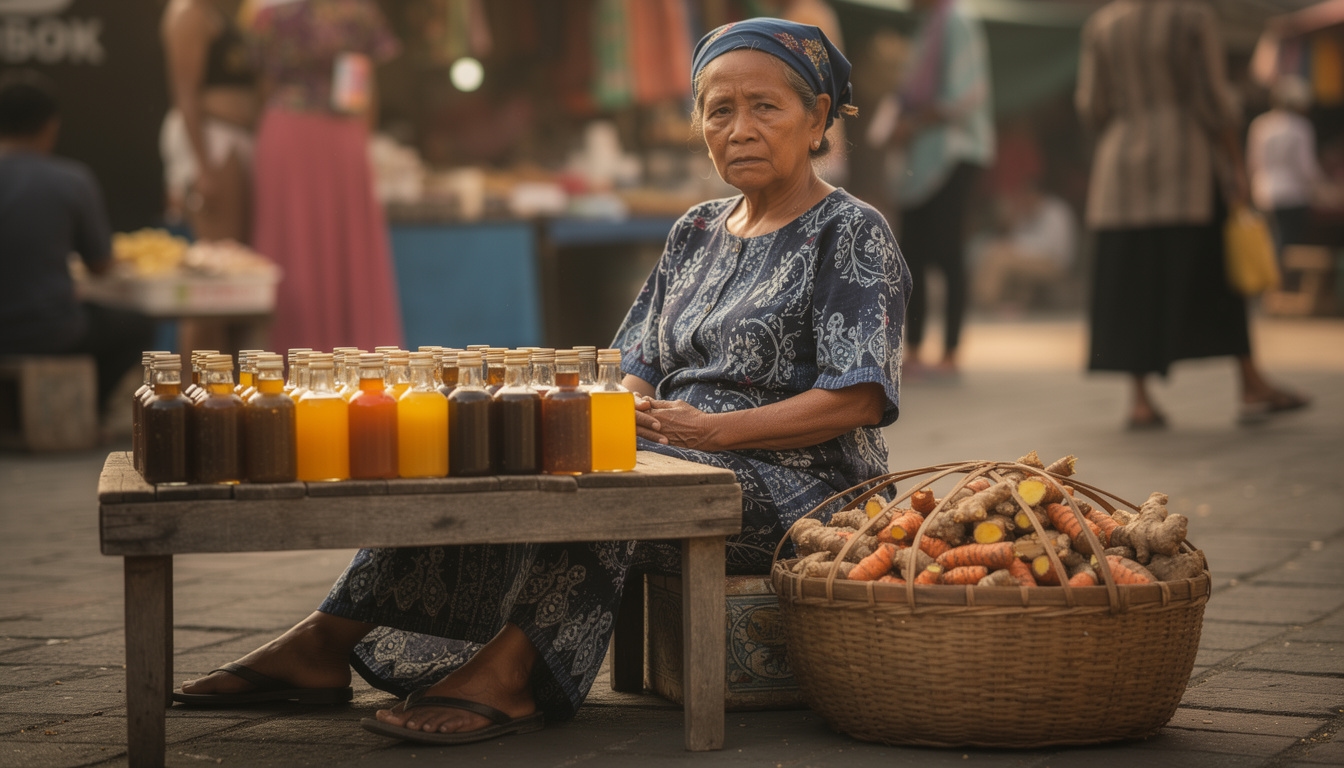
Elderly Javanese woman in traditional batik dress selling jamu herbal drinks from a woven basket at a morning market

The gendong seller in Yogyakarta: how a distribution method became a cultural institution

The jamu gendong carries her bottles through neighborhoods at dawn. What she carries, how she prepares it, and what the morning ritual means to the households on her route.

FAQ

Common questions

We get these questions often. Short answers here. Longer context in the articles themselves.

All content on this site is informational. Please consult your healthcare provider before making changes to diet or exercise.

No. Business Spark has no commercial relationship with any supplement manufacturer, food brand, or health product company. We do not sell anything on this site. There are no affiliate links. Editorial contributors write from personal interest in Indonesian wellness culture, not from commercial arrangements.
No, and this is important. Everything on this site is general informational reading. It is not personalized advice for your health situation. We include a disclaimer on every article page and repeat it here: consult a qualified healthcare provider before making changes to your diet, exercise routine, or any health-related habit.
Most nutrition content in Indonesian media either imports Western frameworks wholesale or focuses on traditional ingredients from a marketing angle. We are interested in a third approach: looking at ingredients like turmeric, tamarind, and pandan from a composition and culinary culture perspective, without making health claims and without selling anything. The specificity to Indonesian ingredients is the editorial position.
The Jamu column documents how herbal beverage traditions differ across the archipelago. That includes preparation methods, regional ingredients, the social role of Jamu sellers, and how community rituals around herbal drinks have changed or stayed the same over time. We do not make claims about what any preparation does to the body. The column is cultural documentation, not health guidance.
Yes. Most fitness content is written for people who already exercise and want to optimize. Very little is written for Indonesian adults who commute long distances, work full days, and genuinely do not know where to begin. That gap is where we write. The guides assume no gym membership, no equipment, and no recent experience with exercise. They are starting points, not training programs.
We accept editorial pitches from contributors who have a genuine background or sustained interest in Indonesian wellness culture. Send a brief description of your proposed topic, your connection to the subject, and any relevant background through the contact page. We review all pitches but cannot respond to every submission.

Editorial disclaimer: All content on Business Spark is informational and educational in nature. Nothing published here constitutes medical advice, diagnosis, or treatment. No products are sold or promoted. Consult your healthcare provider before making changes to your diet, exercise routine, or any health-related practice. Business Spark is not responsible for decisions made based on information read on this site.